


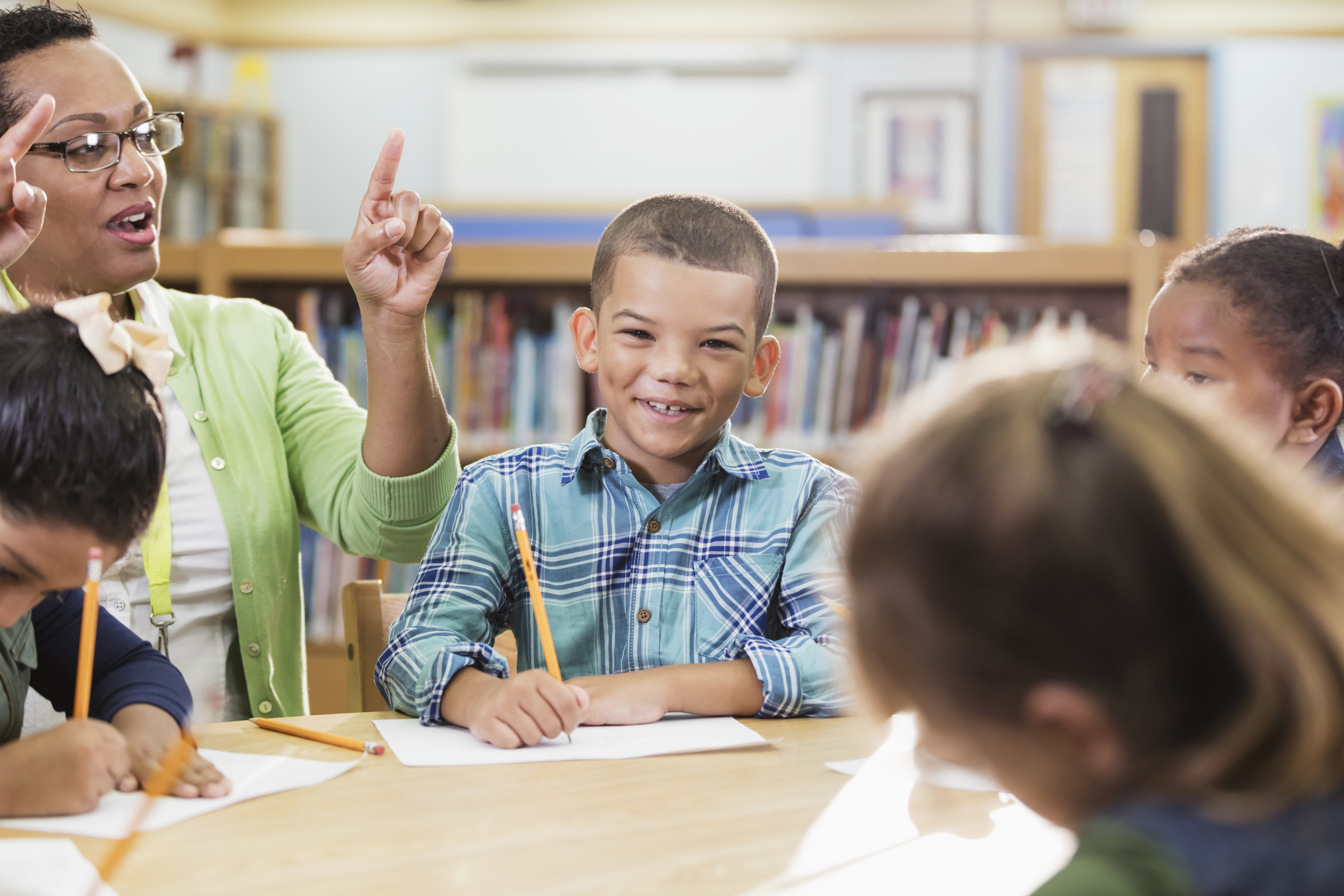
Elementary classrooms are about so much more than reading, writing and math. The classroom is a place where students learn how to understand themselves, build relationships and navigate emotions.
Social-Emotional Learning (SEL) focuses on helping students develop emotional awareness, self-regulation and relationship skills. Since students spend a significant portion of their time at school, social-emotional development in the classroom is crucial.
So, how do you implement SEL activities into your daily lesson plans? This blog offers ready-to-use, engaging SEL lessons for elementary students and practical strategies for integrating social-emotional learning seamlessly into your classroom routine.
For more inspiration, check out our blog, 15 Social-Emotional Learning Activities for Elementary Classrooms and don’t forget to download our FREE Kindness Bundle!
What Makes High-Quality SEL Lessons for Elementary Students Work
High-quality SEL lessons are intentional, research-informed and designed to build social-emotional skills over time. Rather than relying on one-off activities, effective, evidence-based SEL instruction uses clear goals, consistent routines and opportunities for students to practice skills throughout the school day.
When social-emotional learning strategies are embedded into daily instruction, they feel like a natural part of classroom life rather than an additional task teachers have to manage.
One widely recognized model for high-quality SEL instruction is the CASEL 5 framework.
What is the CASEL 5 framework?
The CASEL 5 framework outlines five interconnected areas of social-emotional development:
- Self-awareness
- Self-management
- Social awareness
- Relationship skills
- Responsible decision-making
Together, these competencies support students as they learn to understand their emotions, manage behavior, build relationships and make thoughtful choices. Many SEL lesson plans naturally align with these areas.
Are you Enjoying this Content?
Fun, Classroom-Ready SEL Lessons
SEL activities are most effective when they are developmentally appropriate and align with how students grow emotionally and socially over time. While the five core SEL skills remain the same across grade levels, how those skills are taught and practiced should shift as students mature.
When planning SEL lessons, focus on helping students develop the CASEL 5 core social-emotional skills listed above in age-appropriate ways.
These SEL activities provide students with meaningful ways to practice social-emotional skills through observation, movement and collaboration. Each activity is easily adaptable across elementary grade levels.
- Emotion Detective: Students listen to a short scenario or study a photo and identify possible emotions, citing clues that support their thinking to build self-awareness and social awareness.
- Kindness Bingo: Students receive a bingo board filled with simple, real-life kindness actions and work toward completing rows through authentic acts, reinforcing empathy and social awareness.
- Compliment Web: Students pass a ball of yarn while sharing specific, kind observations about classmates, creating a visual reminder of connection and relationship skills.
- Problem-Solving Stations: Small groups rotate through stations featuring everyday social challenges and collaborate on solutions, practicing communication, cooperation and responsible decision-making.
- Sensory Food Reflections: Students sample a small, familiar food or review photos of foods and reflect on how the experience made them feel emotionally and physically. Teachers can guide discussion or have students write about feelings.
- Music and Movement Feelings: Students listen to short clips of music and express how each song makes them feel through movement. Slower movements may reflect calmness or sadness, while faster movements may indicate excitement or joy, helping students connect emotions to body awareness and self-regulation.
Check out our SEL Check-In Ideas for Students for additional fun and engaging ways to incorporate SEL into your lessons, including creating a classbook using our FREE publishing kits!
SEL Lesson Topics for Kindergarten Through 2nd Grade
For younger students, SEL lessons should be concrete, visual and embedded in everyday experiences. At this stage, students are still learning to name emotions, recognize body signals and understand how their actions affect others.
Emotion identification
Have students practice naming emotions and recognizing the strengths and challenges associated with those feelings. SEL activities, such as feelings charts, mood drawings, and simple reflection prompts, help build emotional vocabulary and self-awareness.
Body cues
Teach students to recognize the physical signals of emotions and practice calming strategies. Breathing games, movement resets and visual calm-down tools support self-management and impulse control.
Friendship skills
Have students explore empathy, perspective-taking and respectful communication. Story-based discussions, kindness mapping, gratitude circles and simple friendship-building exercises help students practice social awareness and relationship skills.
SEL Lesson Ideas: Kindergarten Through 2nd Grade
- Puppets and storytelling: Characters model emotions and problem-solving in ways in a relatable way.
- Art-based reflection: Drawing and crafting help students express feelings when words are still developing.
- Movement and sensory play: Physical activity supports regulation and focus.
- Emotion charades: Students act out feelings to strengthen emotion recognition.
- Calm-down corners: Designated spaces encourage self-regulation and independence.
- Visual mood check-ins: Simple visuals help students communicate how they feel at the start or end of the day.
SEL Lessons for 3rd Through 5th Grade
As students move into upper elementary grades, SEL lessons can explore more complex social dynamics and internal challenges. Students are ready to reflect deeper, consider consequences and practice skills in real-world contexts.
Stress management
Have students identify common stressors they experience during the school day and practice regulation strategies they can use in those moments. Guide students through mindfulness activities, short goal-setting conversations or journaling about focus, emotions and coping strategies to support self-management.
Peer pressure
Have students explore situations where peer influence affects their choices. Use short scenarios, role-play or guided reflection to help students practice responsible decision-making and self-awareness when navigating social pressure.
Inclusion and fairness
Have students explain what fairness, respect and belonging look like in your classroom. Use group discussions, perspective-taking activities and shared classroom norms to help students build social awareness and strengthen relationship skills.
SEL Lesson Ideas: 3rd Through 5th Grade
- Role-play dilemmas: Students practice navigating real-life social situations.
- Perspective-taking scenarios: Guided discussions help students consider different viewpoints.
- Small-group discussions: Structured conversations encourage listening and respectful dialogue.
- Growth mindset journaling: Writing supports reflection and self-awareness.
- Conflict mapping: Visual tools help students break down problems and explore solutions.
- Digital citizenship conversations: Discussions connect social-emotional skills to online interactions and decision-making.
Practical, Repeatable Framework for SEL Instruction
A consistent lesson structure helps SEL instruction feel manageable and meaningful. When students know what to expect, they can focus more fully on learning and practicing social-emotional skills. For teachers, a reusable structure makes planning easier and supports intentional instruction throughout the year.
1. Learning Objective
Clearly name the SEL objective so that students understand the purpose of the lesson. Students learn SEL skills more effectively when they know what they are practicing and why it is important.
Example objectives:
- Identify and name emotions during challenging situations
- Practice respectful communication during group work
- Use calming strategies when feeling frustrated
2. Hook or Warm-Up
Start with an engaging activity, question or short story to draw students into the lesson and connect SEL skills to their own experiences. A short warm-up helps students feel engaged and ready to participate.
Example hooks:
- A quick check-in question or emoji poll
- A short story or scenario
- A movement or breathing activity
3. Explicit Instruction
Provide explicit instructions for social-emotional learning activities using clear language, modeling and examples. Students need direct instruction to understand social-emotional skills just as they do academic concepts.
Example strategies:
- Modeling “I feel” statements
- Naming emotions during discussions
- Demonstrating calming techniques
4. Guided Practice
Provide structured opportunities for students to practice their SEL skills with your support and feedback. This can happen through small-group discussion, role-play or structured worksheets. Practice helps students move from understanding a skill to using it independently.
Example activities:
- Partner role-play scenarios
- Small-group problem-solving
- Guided journaling, drawing or worksheets
5. Reflection and Closure
Invite students to reflect on what they learned, how they might use said skill(s) in their daily lives and summarize the key takeaways. Reflection helps students process new learning, recognize their own growth and strengthen self-awareness.
Example reflections:
- “When might you use this skill during your day?”
- “What strategy helped you most today?”
- “How could this skill help during group work or at recess?”
Using this structure consistently allows SEL lessons to grow alongside students while supporting confidence, communication and emotional awareness throughout the school year.
Integrating SEL Lessons Into Everyday Instruction
SEL lessons can fit almost anywhere in your lesson plans and do not need to be overly complicated or time-consuming. When you weave them into the Common Core subjects you are already teaching, they become a natural part of classroom instruction.
ELA discussions
Have students analyze characters, discuss motivations or reflect on choices, to practice self-awareness, social awareness and responsible decision-making. Use open-ended questions to ask students to explain how a character might feel, how a conflict could be resolved or how emotions influence actions.
Group projects
Use group work as an opportunity for students to practice relationship skills, self-management and communication. Set clear expectations for collaboration, including listening, turn-taking and problem-solving. Pause during the project for brief check-ins where students reflect on how the group is working together and what adjustments might help improve teamwork.
Math problem-solving
Math is an ideal space to practice perseverance and emotional regulation. Encourage students to talk through mistakes, explain thinking and try multiple strategies to support self-management and confidence. Framing challenges as learning opportunities helps students build a growth mindset.
Bridging between Common Core academics and SEL allows you to support social-emotional development without adding more to your plate. SEL becomes an integral part of how students learn, rather than something separate from what they are learning.
Turning SEL Lessons for Elementary Students Into Meaningful Classbooks
SEL lessons often include reflection, discussion and personal expression, making them a natural fit for publishing. When students see their writing turned into a classbook, it can help them recognize their words as meaningful.
Through Studentreasures, teachers can turn everyday SEL activities into lasting keepsakes using our FREE classbook kits, while students experience the pride of becoming published authors.
Examples of SEL Classbook Topics:
- Classroom values: Students write about what respect, kindness or responsibility looks like in their classroom community.
- Kindness stories: Personal narratives or short stories that highlight empathy, helping others and making thoughtful choices.
- Growth mindset reflections: Writing that captures the challenges students faced and how they worked through them.
Publishing SEL work increases student ownership and motivation. When students know their writing will be shared in a real book, they take greater care in their work and feel a deeper connection to the learning. Families also gain insight into students’ social-emotional growth through books that can be revisited long after the school year ends.
Explore examples of SEL-focused books in the SEL, Community and Character classbook collection to see how real classrooms across the country are turning reflection and connection into published memories.
Building Confident Learners Through SEL Lesson Plans
SEL lessons for elementary students help build skills that last far beyond the classroom. When students learn to understand their emotions, communicate effectively, and make thoughtful choices, they are better prepared for both academic challenges and real-life situations.
Remember, SEL is not an add-on; it is a foundation that supports learning, behavior and classroom community. When social-emotional skills are taught intentionally, students gain confidence in themselves and in how they connect with others.
For even more inspiration and support, explore our Teachers’ Lounge and blog, where you’ll find additional SEL resources, lesson ideas and classroom strategies to support your students’ social-emotional development throughout the year.
Teachers can celebrate student voices, support social-emotional growth and help students experience the pride of becoming published authors using our FREE classbook publishing kits.